

Hey there! As a chrome rod supplier, I often get asked if chrome rods can be used in electrical applications. It's a great question, and today, I'm gonna break it down for you.
First off, let's talk about what chrome rods are. Chrome rods are basically steel rods that have a layer of chromium plated on their surface. This plating gives them some really cool properties. It makes them corrosion - resistant, which means they can stand up to all sorts of harsh environments without rusting or deteriorating quickly. They're also quite hard and have a smooth finish, which is useful in many mechanical applications.
Now, when it comes to electrical applications, there are a few things to consider. One of the most important factors is conductivity. In electrical work, we need materials that can conduct electricity well. Metals are generally good conductors, but the chromium plating on chrome rods can be a bit of a wild card.
Chromium itself is not the best conductor of electricity. It has a relatively high electrical resistivity compared to some other metals like copper or aluminum. Copper is like the rock - star of electrical conductivity. It's used in most electrical wiring because it can carry an electric current with very little resistance. Aluminum is also a popular choice, especially in power transmission lines, as it's lightweight and decently conductive.

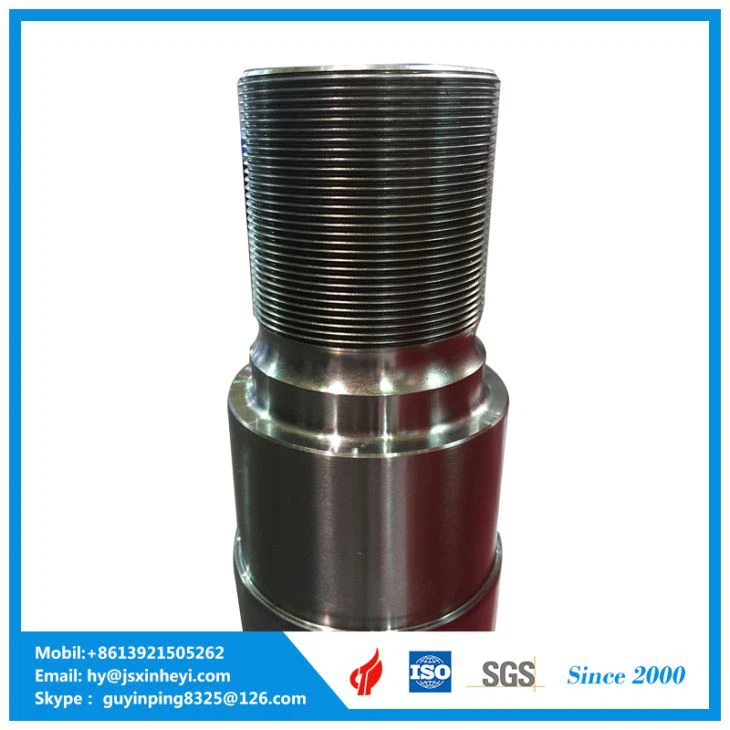
However, the steel core of the chrome rod is usually a good conductor. Steel is an alloy of iron and carbon, and iron is a fairly good conductor as well. So, the overall conductivity of a chrome rod depends on the thickness of the chromium plating and the properties of the steel core.
If the chromium plating is very thin, the steel core can still play a major role in conducting electricity. In some cases, the chrome rods can be used in electrical applications where the electrical current is not too high and the potential for corrosion is a concern. For example, in some low - voltage electrical connections in outdoor or humid environments, chrome rods might be a good option because they can resist corrosion while still conducting a small amount of electricity.
Let's say you're working on a small - scale electrical project in a coastal area. The salty air can cause normal steel rods to rust quickly, which could lead to electrical problems. A chrome rod, with its corrosion - resistant properties, could be a better choice. You can use it to make simple electrical connections where the current is low, like in a small - scale lighting system for a garden shed.
On the other hand, if you need to carry a large amount of electrical current, chrome rods might not be the best pick. The high resistivity of the chromium layer can cause a significant voltage drop and heat generation. This can be a safety hazard and can also reduce the efficiency of the electrical system. For high - current applications, you'd be better off using pure copper or aluminum conductors.
Now, I want to mention some of the chrome rods we offer at our supply. We have the CK45 Chrome Plated Piston Rod for Hydraulic Cylinder. This rod is mainly used in hydraulic cylinders, but it also has potential in some electrical applications where its corrosion resistance and strength are valuable. The CK45 steel core provides a certain level of conductivity, and the chrome plating protects it from the elements.
Another product is the 42CrMo4 length 1 - 8m steel chrome plated bar. The 42CrMo4 steel is a high - strength alloy, and when it's chrome - plated, it becomes even more durable. It can be used in electrical setups where mechanical strength is required along with some level of electrical conductivity. For instance, in some industrial electrical equipment frames where the rods need to support the structure and also carry a small electrical current.
We also have the Heat Treatment Hard Chrome Rod Micro Alloy Rod. The heat treatment process gives this rod enhanced mechanical properties, and the chrome plating adds the corrosion - resistant factor. In electrical applications, it can be used in situations where the rod needs to withstand mechanical stress while still being able to conduct a bit of electricity, like in some specialized electrical enclosures.
In summary, chrome rods can be used in certain electrical applications, but it's important to assess the specific requirements of your project. Consider the amount of current you need to carry, the environment where the rod will be used, and the mechanical and electrical properties you require. If you have a low - current, corrosion - prone situation, chrome rods could be a great solution. But for high - current applications, you'll probably want to look elsewhere.
If you're interested in learning more about our chrome rods or think they might be a good fit for your electrical project, don't hesitate to reach out. We're here to help you make the right choice and can provide more detailed information on the properties and applications of our products. We can also work with you to customize the rods according to your specific needs. So, if you're looking for chrome rods for your electrical or other projects, let's start a conversation and see how we can collaborate.
References:
Materials Science textbooks on electrical conductivity and metal properties
Industry reports on the use of chrome rods in different applications