

Heat treatment is a crucial process in the manufacturing of hard shafts, significantly influencing their hardness and, by extension, their performance and durability in various applications. As a hard shaft supplier, I have witnessed firsthand the transformative effects of heat treatment on the properties of these essential components. In this blog, we will explore how heat treatment affects the hardness of a hard shaft and why it is so important in ensuring the quality and reliability of our products.
The Basics of Heat Treatment and Hardness
Before delving into the specific effects of heat treatment on hard shaft hardness, it's important to understand the basic concepts of heat treatment and hardness. Heat treatment involves heating and cooling a metal in a controlled manner to alter its physical and mechanical properties, such as hardness, strength, and ductility. Hardness, on the other hand, is the ability of a material to resist deformation, particularly permanent deformation, when subjected to an external force.
There are several methods of heat treatment, each with its own specific purpose and effect on the material. The most common heat treatment processes for hard shafts include annealing, normalizing, quenching, and tempering.
Annealing
Annealing is a heat treatment process that involves heating the shaft to a specific temperature, holding it at that temperature for a certain period, and then slowly cooling it. This process is used to relieve internal stresses, improve ductility, and refine the grain structure of the metal. As a result, annealing generally reduces the hardness of the shaft.
The primary goal of annealing in the context of hard shafts is often to prepare the material for further processing, such as machining. By reducing the hardness, the shaft becomes easier to cut and shape, minimizing the wear on cutting tools and improving the overall machining efficiency. For example, a shaft that has been cold-worked during manufacturing may have significant internal stresses. Annealing can help to eliminate these stresses and restore the material's uniformity, making it more suitable for subsequent operations.
Normalizing
Normalizing is similar to annealing but involves a faster cooling rate. The shaft is heated to a temperature above its critical range and then allowed to cool in still air. This process refines the grain structure and improves the mechanical properties of the metal, including its hardness and strength.
Compared to annealing, normalizing results in a harder and stronger shaft. The faster cooling rate suppresses the formation of large grains, leading to a finer and more uniform grain structure. This finer grain structure enhances the material's ability to resist deformation, thereby increasing its hardness. Normalizing is often used as a pre-treatment for quenching and tempering processes or to improve the overall quality of the shaft for specific applications.
Quenching
Quenching is a rapid cooling process where the heated shaft is immersed in a quenching medium, such as oil, water, or a polymer solution. This sudden cooling changes the microstructure of the metal, transforming it from austenite to martensite, a very hard and brittle phase.
The key to achieving the desired hardness through quenching lies in the cooling rate. A faster cooling rate promotes the formation of more martensite, which increases the hardness of the shaft. However, if the cooling rate is too fast, it can lead to excessive internal stresses, which may cause the shaft to crack or distort. Therefore, selecting the appropriate quenching medium and controlling the quenching process are critical to ensuring the quality of the hard shaft.
As a hard shaft supplier, we carefully optimize the quenching process for each specific type of shaft to achieve the right balance between hardness and toughness. For example, Spline Shaft Hydraulic Shafts require a certain level of hardness to withstand the high forces and torque associated with hydraulic applications. Through precise quenching, we can ensure that these shafts meet the required hardness specifications while maintaining their integrity.
Tempering
After quenching, the shaft is usually extremely hard but also very brittle. Tempering is a subsequent heat treatment process in which the quenched shaft is heated to a relatively low temperature (below the critical range) and then held at that temperature for a period before cooling. This process relieves the internal stresses generated during quenching and improves the toughness of the shaft without significantly reducing its hardness.
During tempering, some of the martensite in the shaft transforms into other phases, such as troostite or sorbite, which are more ductile and less brittle. The tempering temperature and time are carefully controlled based on the desired properties of the shaft. For instance, a higher tempering temperature will result in a greater reduction in hardness but a significant increase in toughness.
Tempering is essential for ensuring the long-term performance and reliability of hard shafts. Precision Hydraulic Motor Shaft, for example, need to have both high hardness to resist wear and sufficient toughness to withstand the dynamic loads and vibrations in hydraulic motor applications. Through proper tempering, we can optimize these properties to meet the demanding requirements of our customers.
Impact of Heat Treatment on Shaft Performance
The hardness of a hard shaft directly affects its performance in different applications. A shaft with the appropriate hardness can withstand higher loads, reduce wear and tear, and have a longer service life. For example, in hydraulic systems, shafts need to be hard enough to resist the constant friction and pressure from the hydraulic fluid and moving parts.
Heat treatment also plays a role in enhancing the corrosion resistance of hard shafts. By altering the microstructure of the metal, heat treatment can improve the formation of protective oxide layers on the shaft surface, preventing corrosion and rusting. This is particularly important for shafts used in harsh environments, such as marine or industrial settings.
Quality Control and Assurance
As a hard shaft supplier, we have strict quality control measures in place to ensure that the heat treatment process is carried out accurately and consistently. We use advanced testing equipment, such as hardness testers and metallographic microscopes, to monitor the hardness and microstructure of the shafts at different stages of the manufacturing process.
Our quality control team conducts regular inspections and tests to verify that the shafts meet the specified hardness and other mechanical properties. Any non-conforming products are immediately identified and rectified to ensure that only high-quality shafts are delivered to our customers.
The Importance of Choosing the Right Supplier
When it comes to purchasing hard shafts, choosing the right supplier is crucial. A reputable supplier, like us, has the expertise and experience to carry out the heat treatment process correctly, ensuring that the shafts have the optimal hardness and performance characteristics.
We have a team of skilled engineers and technicians who are well-versed in the latest heat treatment techniques and technologies. We also invest in state-of-the-art equipment and facilities to ensure the highest level of quality and precision in our manufacturing process.
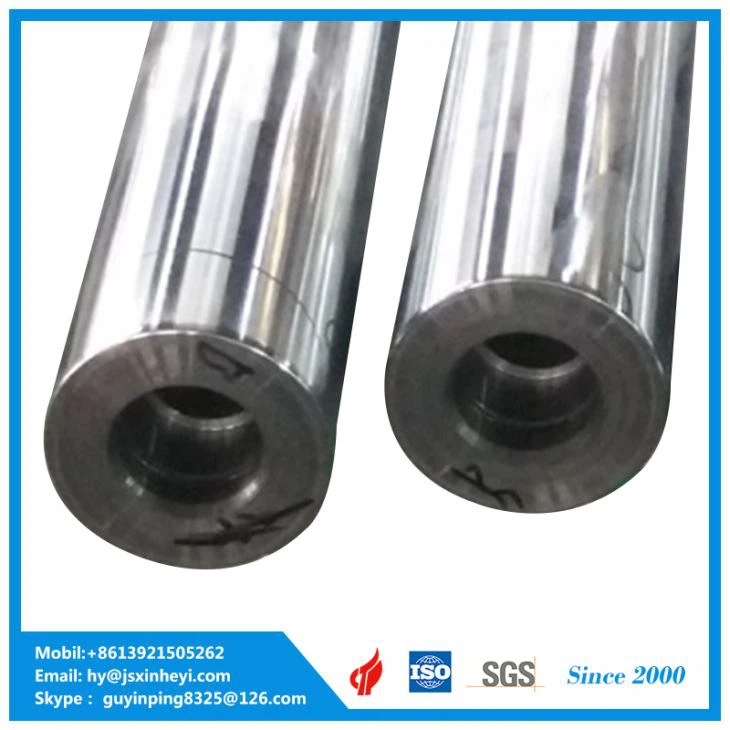
In addition to quality, we also offer excellent customer service. We work closely with our customers to understand their specific requirements and provide customized solutions. Whether you need CK45 Quenched and Tempered Hydraulic Cylinder Shaft with Hard Chrome Plating for a specific hydraulic application or a standard hard shaft for general use, we can ensure that you get the best product at a competitive price.

Conclusion
In conclusion, heat treatment has a profound impact on the hardness of a hard shaft. Through processes such as annealing, normalizing, quenching, and tempering, we can precisely control the hardness and other mechanical properties of the shaft to meet the specific needs of different applications.
As a hard shaft supplier, we are committed to providing high-quality products that offer excellent performance and durability. Our expertise in heat treatment and strict quality control measures ensure that our shafts meet the highest standards of quality and reliability.
If you are in the market for hard shafts and want to discuss your specific requirements, we invite you to contact us. Our team of experts will be happy to assist you and provide you with the best solutions for your needs.
References
- Callister, W. D., & Rethwisch, D. G. (2016). Materials Science and Engineering: An Introduction. Wiley.
- ASM Handbook Committee. (1991). ASM Handbook Volume 4: Heat Treating. ASM International.
- Totemeier, T. C., & Baldwin, D. V. (2011). Understanding Heat Treatment of Metals. ASM International.