

Hey there! As a hard shaft supplier, I've been dealing with all sorts of hard shafts for years. One of the most common issues we face in the industry is ensuring the concentricity of a hard shaft. Concentricity is super important as it can greatly affect the performance and lifespan of the shaft in various applications. So, in this blog, I'm gonna share some tips on how to ensure the concentricity of a hard shaft.
Understanding Concentricity
First off, let's quickly understand what concentricity means. Concentricity refers to the degree to which the axis of a shaft coincides with the axis of another part or the ideal centerline. In simple terms, it's about making sure the shaft is centered properly. When a shaft lacks concentricity, it can lead to problems like uneven wear, vibration, and reduced efficiency. For example, in a CK45 Quenched and Tempered Hydraulic Cylinder Shaft with Hard Chrome Plating, poor concentricity can cause the hydraulic cylinder to work less smoothly, leading to potential leaks and decreased performance.
Precise Manufacturing Processes
The key to ensuring concentricity starts right at the manufacturing stage. Here are some important steps:
Material Selection
Choosing the right material is crucial. High - quality materials with uniform properties are more likely to maintain concentricity during the manufacturing process. For instance, if you're making a Precision Hydraulic Motor Shaft, using a material with consistent hardness and density will help in achieving better concentricity. We always source our materials from reliable suppliers to ensure they meet the required standards.
Machining Accuracy
Precision machining is the heart of concentricity. Using advanced machining equipment like CNC lathes and grinders can significantly improve the accuracy of the shaft's dimensions. These machines are programmed to cut and shape the shaft with extremely high precision. For example, when turning a shaft on a CNC lathe, the machine can control the cutting tool's movement to within a few micrometers, ensuring that the shaft's diameter and surface finish are consistent along its length.
Heat Treatment
Heat treatment is another important step. It can relieve internal stresses in the shaft and improve its mechanical properties. However, improper heat treatment can also cause distortion, which affects concentricity. That's why we follow strict heat - treatment procedures. We carefully control the heating and cooling rates to minimize any potential distortion. After heat treatment, we often perform additional machining operations to correct any minor deviations in concentricity.
Inspection and Quality Control
Once the shaft is manufactured, thorough inspection is necessary to ensure concentricity.
Measuring Tools
We use a variety of measuring tools to check concentricity. Dial indicators are one of the most commonly used tools. They can measure the run - out of the shaft, which is an indication of its concentricity. By placing the dial indicator on the shaft's surface and rotating the shaft, we can detect any variations in the radial position. Coordinate measuring machines (CMMs) are also very useful. They can provide highly accurate 3D measurements of the shaft, allowing us to analyze its geometry in detail and determine its concentricity.
Statistical Process Control (SPC)
We implement SPC techniques to monitor the manufacturing process. By collecting and analyzing data on key quality characteristics, such as concentricity, we can detect any trends or variations in the process. If we notice that the concentricity values are starting to deviate from the target, we can take corrective actions immediately, such as adjusting the machining parameters or replacing worn - out tools.
Assembly Considerations
Even if the shaft is manufactured with high concentricity, improper assembly can still cause problems.
Proper Fixturing
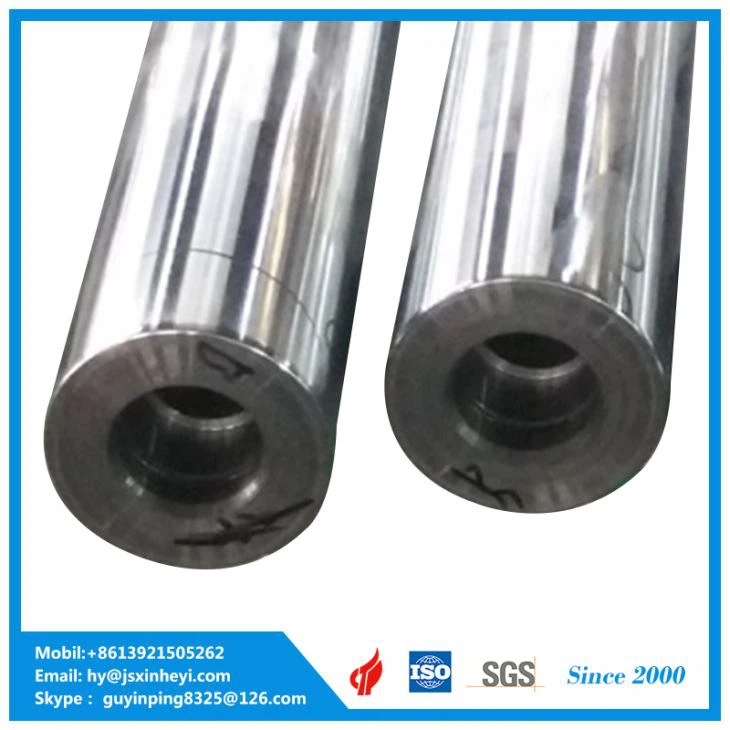
When assembling the shaft into a system, using proper fixturing is essential. Fixtures should be designed to hold the shaft in place accurately and prevent any misalignment. For example, in a Precision Linear Shafts Hollow Steel Shaft application, the fixture should support the shaft evenly along its length to ensure that it remains centered during assembly.
Lubrication
Lubrication is also important during assembly. It can reduce friction and help the shaft slide into place more smoothly. Using the right type and amount of lubricant can prevent any damage to the shaft's surface and ensure that it maintains its concentricity during the assembly process.
Maintenance and Monitoring
Once the shaft is in use, regular maintenance and monitoring are necessary to ensure its long - term concentricity.
Vibration Analysis
Vibration analysis is a useful technique for monitoring the shaft's condition. Excessive vibration can be a sign of poor concentricity or other problems. By installing vibration sensors on the shaft or the equipment it's part of, we can detect any abnormal vibrations early on. If we notice an increase in vibration levels, we can investigate the cause and take corrective actions, such as realigning the shaft or replacing worn - out bearings.
Regular Inspections
We recommend regular inspections of the shaft. This can involve visual inspections to check for any signs of wear or damage, as well as using measuring tools to re - check the concentricity. By catching any problems early, we can prevent them from getting worse and extend the shaft's lifespan.
Conclusion
Ensuring the concentricity of a hard shaft is a multi - step process that involves precise manufacturing, thorough inspection, proper assembly, and regular maintenance. By following these steps, we can produce high - quality hard shafts that meet our customers' requirements. If you're in the market for hard shafts and are concerned about concentricity, don't hesitate to reach out. We're here to provide you with the best - quality products and solutions. Whether you need a CK45 Quenched and Tempered Hydraulic Cylinder Shaft with Hard Chrome Plating, a Precision Hydraulic Motor Shaft, or a Precision Linear Shafts Hollow Steel Shaft, we've got you covered. Let's talk about your specific needs and find the perfect solution together.
References
- "Manufacturing Engineering and Technology" by Serope Kalpakjian and Steven R. Schmid
- "Mechanical Measurements" by Beckwith, Marangoni, and Lienhard