

As a leading piston rod supplier, I understand the critical role that piston rods play in various industrial applications. One of the most significant challenges that piston rods face is corrosion, which can lead to reduced performance, increased maintenance costs, and even equipment failure. In this blog post, I will share some effective strategies on how to prevent the corrosion of piston rods.
Understanding Corrosion in Piston Rods
Before delving into prevention methods, it's essential to understand the types of corrosion that piston rods are susceptible to. The most common forms of corrosion include:
- Uniform Corrosion: This is the most straightforward type of corrosion, where the entire surface of the piston rod deteriorates at a relatively uniform rate. It is often caused by exposure to corrosive chemicals or environments.
- Pitting Corrosion: Pitting corrosion occurs when small holes or pits form on the surface of the piston rod. These pits can penetrate deep into the material, weakening the rod and potentially leading to failure.
- Crevice Corrosion: Crevice corrosion happens in narrow gaps or crevices between the piston rod and other components. The lack of oxygen and the presence of stagnant fluids in these areas create an ideal environment for corrosion to occur.
- Galvanic Corrosion: Galvanic corrosion occurs when two different metals are in contact with each other in the presence of an electrolyte. The more active metal corrodes preferentially, while the less active metal remains relatively unaffected.
Material Selection
One of the most effective ways to prevent corrosion in piston rods is to choose the right material. Different materials have different levels of corrosion resistance, so it's important to select a material that is suitable for the specific application. Some common materials used for piston rods include:
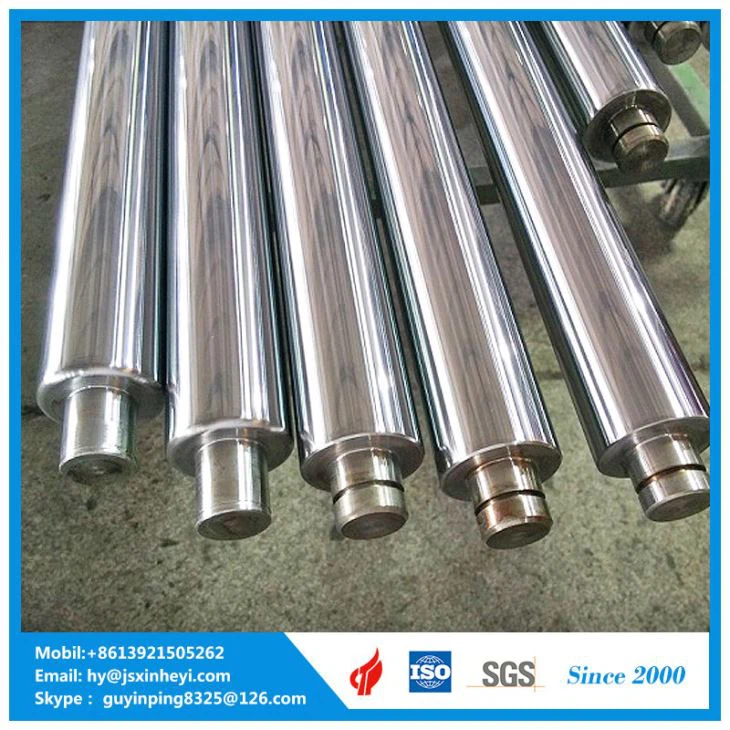
- SAE1045 Chrome Plated Steel Bar IH Piston Rod: This type of piston rod is made from SAE1045 steel, which is a medium-carbon steel known for its strength and toughness. The chrome plating provides an additional layer of protection against corrosion. You can find more information about this product SAE1045 Chrome Plated Steel Bar IH Piston Rod.
- Hydraulic Hard Chrome Plated Rod Induction Steel Rod: This piston rod is made from induction-hardened steel, which has excellent wear resistance and corrosion resistance. The hard chrome plating further enhances the rod's resistance to corrosion and abrasion. Check out Hydraulic Hard Chrome Plated Rod Induction Steel Rod for more details.
- CK45 Hydraulic Hard Chrome Plated Piston Rod: CK45 steel is another popular choice for piston rods. It has good mechanical properties and can be easily heat-treated to improve its strength and hardness. The hard chrome plating provides a durable and corrosion-resistant surface. For more information, visit CK45 Hydraulic Hard Chrome Plated Piston Rod.
Surface Treatment
In addition to choosing the right material, surface treatment can also significantly improve the corrosion resistance of piston rods. Some common surface treatment methods include:
- Chrome Plating: Chrome plating is one of the most widely used surface treatment methods for piston rods. It provides a hard, smooth, and corrosion-resistant surface that can protect the rod from wear, abrasion, and corrosion.
- Nitriding: Nitriding is a heat treatment process that involves diffusing nitrogen into the surface of the piston rod. This creates a hard and wear-resistant nitride layer that can improve the rod's corrosion resistance and fatigue strength.
- Painting or Coating: Applying a paint or coating to the surface of the piston rod can provide an additional layer of protection against corrosion. There are various types of paints and coatings available, each with its own unique properties and applications.
Environmental Control
The environment in which the piston rod operates can also have a significant impact on its corrosion resistance. Here are some ways to control the environment and prevent corrosion:
- Reduce Exposure to Moisture: Moisture is one of the primary causes of corrosion, so it's important to keep the piston rod dry. This can be achieved by using seals and gaskets to prevent water from entering the system, and by storing the rod in a dry environment when not in use.
- Control Temperature and Humidity: High temperatures and humidity can accelerate the corrosion process, so it's important to control the temperature and humidity in the operating environment. This can be done by using air conditioning or dehumidifiers, and by ensuring proper ventilation in the workspace.
- Avoid Exposure to Corrosive Chemicals: Piston rods should be kept away from corrosive chemicals such as acids, alkalis, and salts. If the rod comes into contact with these chemicals, it should be immediately cleaned and rinsed with water to prevent corrosion.
Maintenance and Inspection
Regular maintenance and inspection are essential for preventing corrosion in piston rods. Here are some maintenance and inspection tips:
- Clean the Piston Rod Regularly: Cleaning the piston rod regularly can remove dirt, debris, and other contaminants that can cause corrosion. Use a mild detergent and water to clean the rod, and dry it thoroughly before reinstalling it.
- Inspect the Piston Rod for Signs of Corrosion: Regularly inspect the piston rod for signs of corrosion, such as rust, pitting, or discoloration. If any signs of corrosion are detected, take immediate action to prevent further damage.
- Replace Worn or Damaged Components: Worn or damaged components can increase the risk of corrosion, so it's important to replace them as soon as possible. This includes seals, gaskets, and other parts that come into contact with the piston rod.
Conclusion
Preventing corrosion in piston rods is crucial for ensuring their long-term performance and reliability. By choosing the right material, applying appropriate surface treatments, controlling the environment, and performing regular maintenance and inspection, you can significantly reduce the risk of corrosion and extend the lifespan of your piston rods.
If you are interested in purchasing high-quality piston rods or have any questions about corrosion prevention, please feel free to contact us. We are committed to providing our customers with the best products and services, and we look forward to working with you.

References
- Fontana, M. G. (1986). Corrosion Engineering (3rd ed.). McGraw-Hill.
- Uhlig, H. H., & Revie, R. W. (1999). Corrosion and Corrosion Control (3rd ed.). Wiley.
- ASM Handbook, Volume 13A: Corrosion: Fundamentals, Testing, and Protection. ASM International.