

As a supplier of hard shafts, I've seen my fair share of damaged ones come through the shop. It's crucial to be able to spot the signs early on, whether you're a maintenance pro, an equipment operator, or just someone who wants to keep their machinery running smoothly. In this blog, I'll walk you through the common signs of a damaged hard shaft so you can take action before it's too late.
Physical Wear and Tear
One of the most obvious signs of a damaged hard shaft is visible physical wear. This can include scratches, dents, or abrasions on the surface of the shaft. These imperfections might seem minor at first, but they can actually lead to bigger problems down the road. Scratches, for example, can create stress points that make the shaft more prone to cracking over time. Dents can also interfere with the proper functioning of the shaft, especially if they're located in areas where the shaft makes contact with other components.
Another form of physical wear is corrosion. Hard shafts are often made from materials like steel, which can rust if they're exposed to moisture or harsh chemicals. Corrosion can weaken the shaft and compromise its structural integrity. You might notice a reddish-brown discoloration on the surface of the shaft, which is a clear sign of rust. In more severe cases, the corrosion can cause pitting, where small holes form in the shaft. This pitting can significantly reduce the shaft's strength and lifespan.
Vibration and Noise
If you notice excessive vibration or unusual noise coming from the equipment that uses the hard shaft, it could be a sign of damage. A damaged shaft might not rotate smoothly, which can cause vibrations to ripple through the machinery. These vibrations can not only be annoying but can also damage other components in the system over time.
The noise associated with a damaged shaft can vary depending on the type of damage. For example, if there's a crack in the shaft, you might hear a high-pitched squealing or screeching sound as the shaft rotates. If the shaft is misaligned, you could hear a banging or thumping noise. Paying attention to these sounds can help you detect shaft damage early and prevent further problems.
Misalignment
Misalignment is a common issue that can lead to shaft damage. When a shaft is misaligned, it means that it's not properly centered or parallel with other components in the system. This can happen due to improper installation, wear and tear on the bearings, or other factors. Misalignment can cause uneven stress on the shaft, which can lead to premature wear and eventually failure.
You can often detect misalignment by observing the movement of the equipment. If the shaft seems to be wobbling or vibrating more than usual, it could be a sign of misalignment. You can also use alignment tools to check the shaft's position and make sure it's properly aligned. If you suspect misalignment, it's important to address it as soon as possible to prevent further damage.
Fatigue and Cracking
Fatigue is another major cause of shaft damage. Over time, repeated stress and loading can cause the material in the shaft to weaken and develop cracks. Fatigue cracks often start small and can be difficult to detect, but they can grow rapidly if the shaft is subjected to continued stress.
There are several factors that can contribute to fatigue, including high operating speeds, heavy loads, and frequent starts and stops. If you notice any signs of cracking on the shaft, such as hairline fractures or visible cracks, it's important to take immediate action. Continuing to use a cracked shaft can be extremely dangerous, as it can lead to sudden failure and potentially cause serious damage to the equipment and injury to personnel.
Loss of Performance
A damaged hard shaft can also lead to a loss of performance in the equipment. For example, if the shaft is worn or damaged, it might not be able to transmit power efficiently, which can result in reduced speed, torque, or overall productivity. You might also notice that the equipment takes longer to start up or shut down, or that it doesn't operate as smoothly as it used to.
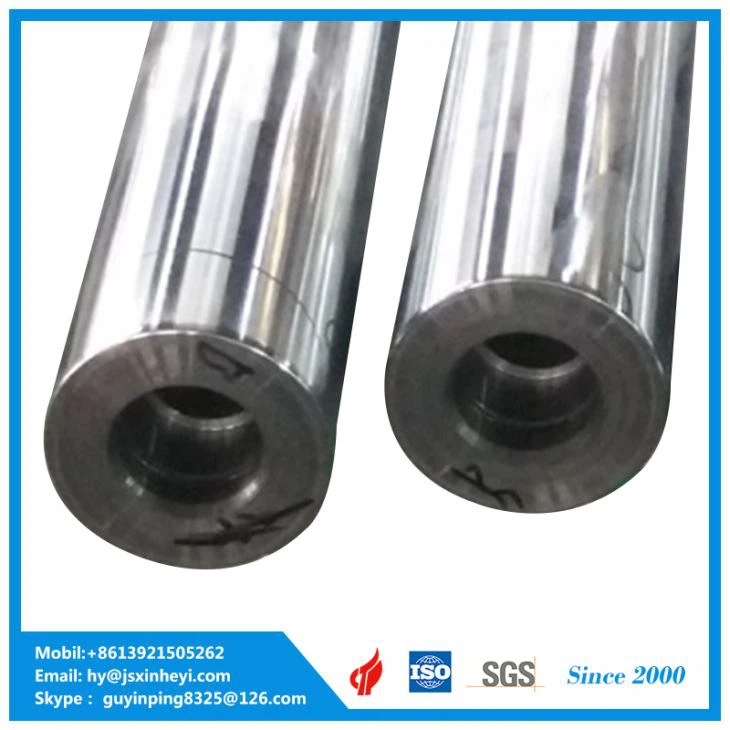

If you suspect that a damaged shaft is causing a loss of performance, it's important to have the shaft inspected and replaced if necessary. Ignoring the problem can lead to further damage to the equipment and increased downtime.
How We Can Help
At our company, we understand the importance of having high-quality hard shafts that are free from damage. That's why we offer a wide range of Precision Hydraulic Motor Shaft, 42CrMo4 Induction Hardened Cylinder Shaft, and CK45 Quenched and Tempered Hydraulic Cylinder Shaft with Hard Chrome Plating. Our shafts are made from high-quality materials and are manufactured to the highest standards to ensure durability and reliability.
If you're experiencing any of the signs of a damaged hard shaft that I've mentioned in this blog, don't hesitate to reach out to us. We have a team of experts who can help you identify the problem and recommend the best solution for your needs. Whether you need a replacement shaft or just some advice on maintenance, we're here to help.
In conclusion, being able to recognize the signs of a damaged hard shaft is essential for keeping your equipment running smoothly and avoiding costly repairs and downtime. By paying attention to physical wear, vibration and noise, misalignment, fatigue and cracking, and loss of performance, you can detect shaft damage early and take action to prevent further problems. And if you need high-quality hard shafts, we're here to provide you with the best products and services in the industry. I encourage you to contact us for any procurement and product - related discussions.
References
- Oberg, E., Jones, F. D., Horton, H. L., & Ryffel, H. H. (2016). Machinery's Handbook: A Reference Book for the Mechanical Engineer, Designer, Manufacturing Engineer, Draftsman, Toolmaker, and Machinist. Industrial Press.
- Shigley, J. E., Mischke, C. R., & Budynas, R. G. (2004). Mechanical Engineering Design. McGraw - Hill Education.
- Dudley, D. W. (1984). Gear Handbook: Design, Manufacturing, and Applications. McGraw - Hill.