

As a hard shaft supplier, I often receive inquiries about the weight of a typical hard shaft. Understanding the weight of these components is crucial for various industries, including manufacturing, automotive, and aerospace, as it impacts design, transportation, and installation processes. In this blog post, I will delve into the factors that influence the weight of a hard shaft and provide insights into typical weight ranges.
Factors Affecting the Weight of a Hard Shaft
The weight of a hard shaft is determined by several key factors, each playing a significant role in the overall mass of the component. These factors include:

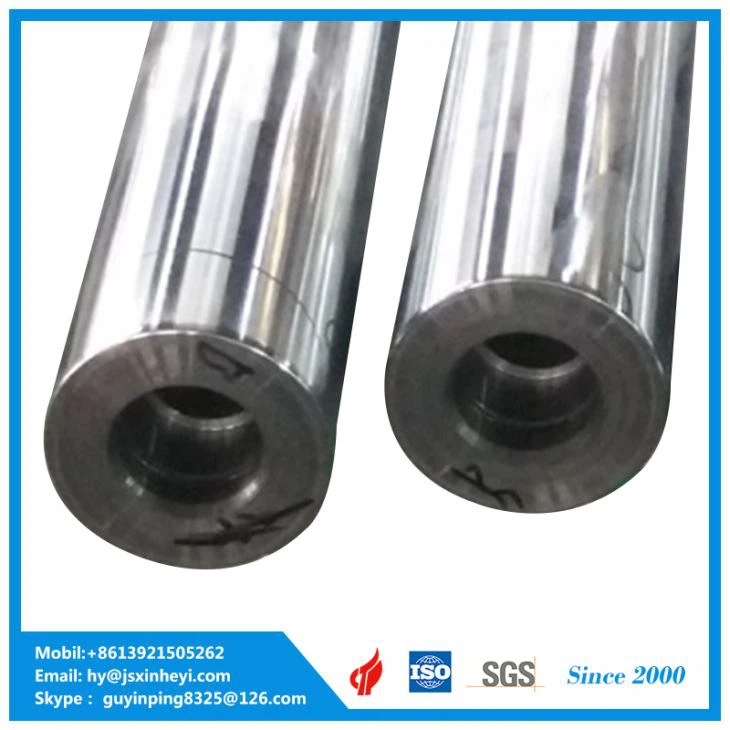
Material Composition
The type of material used to manufacture the hard shaft has a profound impact on its weight. Common materials for hard shafts include steel, stainless steel, and alloy steels. Steel is a popular choice due to its high strength, durability, and relatively low cost. Stainless steel offers corrosion resistance, making it suitable for applications in harsh environments. Alloy steels, such as 42CrMo4 Induction Hardened Cylinder Shaft, are engineered to provide specific mechanical properties, such as high strength and toughness.
The density of the material is directly related to its weight. For example, steel has a density of approximately 7,850 kg/m³, while stainless steel has a slightly higher density of around 7,900 kg/m³. Alloy steels may have varying densities depending on their composition. Therefore, the choice of material will significantly affect the weight of the hard shaft.
Dimensions
The dimensions of the hard shaft, including its length, diameter, and wall thickness (for hollow shafts), are major determinants of its weight. As the length and diameter of the shaft increase, so does its weight. Similarly, a thicker wall thickness in a hollow shaft will result in a heavier component.
The relationship between the dimensions and weight can be calculated using the formula for the volume of a cylinder: V = πr²h, where V is the volume, r is the radius, and h is the height (or length) of the cylinder. Once the volume is determined, the weight can be calculated by multiplying the volume by the density of the material.
Manufacturing Process
The manufacturing process used to produce the hard shaft can also influence its weight. Processes such as forging, machining, and heat treatment can alter the internal structure and density of the material, which may affect the overall weight.
For example, forging can increase the density of the material by aligning the grain structure, resulting in a stronger and potentially heavier shaft. Machining operations, such as turning, milling, and drilling, can remove material from the shaft, reducing its weight. Heat treatment processes, such as quenching and tempering, can also affect the density and mechanical properties of the material.
Typical Weight Ranges
The weight of a typical hard shaft can vary widely depending on the factors mentioned above. To provide a general idea, here are some typical weight ranges for different types of hard shafts:
Solid Steel Shafts
- Small Diameter (less than 20 mm): For solid steel shafts with a small diameter, the weight can range from a few grams to a few hundred grams, depending on the length. For example, a 10 mm diameter solid steel shaft with a length of 100 mm may weigh approximately 62 grams.
- Medium Diameter (20 - 50 mm): Medium diameter solid steel shafts can weigh anywhere from a few hundred grams to a few kilograms. A 30 mm diameter solid steel shaft with a length of 500 mm may weigh around 2.8 kilograms.
- Large Diameter (greater than 50 mm): Large diameter solid steel shafts can be quite heavy, ranging from several kilograms to tens of kilograms. A 100 mm diameter solid steel shaft with a length of 1 meter may weigh approximately 62 kilograms.
Hollow Steel Shafts
- Small Diameter (less than 20 mm): Hollow steel shafts with a small diameter are relatively lightweight, typically weighing a few grams to a few dozen grams. A 10 mm outer diameter, 5 mm inner diameter hollow steel shaft with a length of 100 mm may weigh approximately 24 grams.
- Medium Diameter (20 - 50 mm): Medium diameter hollow steel shafts can weigh from a few hundred grams to a few kilograms, depending on the wall thickness and length. A 30 mm outer diameter, 20 mm inner diameter hollow steel shaft with a length of 500 mm may weigh around 1.6 kilograms.
- Large Diameter (greater than 50 mm): Large diameter hollow steel shafts can still be relatively lightweight compared to solid shafts of the same diameter. A 100 mm outer diameter, 80 mm inner diameter hollow steel shaft with a length of 1 meter may weigh approximately 25 kilograms.
Specialized Shafts
- Precision Linear Shafts Hollow Steel Shaft: These shafts are designed for high-precision applications and may have specific weight requirements. The weight of precision linear shafts can vary depending on the dimensions and material, but they are generally lightweight to ensure smooth operation.
- CK45 Quenched and Tempered Hydraulic Cylinder Shaft with Hard Chrome Plating: Hydraulic cylinder shafts are typically made from high-strength materials and may have a thicker wall thickness to withstand high pressures. The weight of these shafts can range from a few kilograms to several tens of kilograms, depending on the size and application.
Importance of Knowing the Weight
Knowing the weight of a hard shaft is essential for several reasons:
Design and Engineering
- Structural Integrity: The weight of the shaft must be considered when designing a structure or machine to ensure that it can support the load. Overestimating or underestimating the weight can lead to structural failures or inefficient designs.
- Balance and Stability: In rotating machinery, the weight distribution of the shaft is crucial for maintaining balance and stability. An unbalanced shaft can cause vibrations, noise, and premature wear of the components.
Transportation and Handling
- Logistics Planning: The weight of the shaft affects transportation costs and logistics planning. Heavier shafts may require special handling equipment and transportation methods to ensure safe delivery.
- Installation: Knowing the weight of the shaft is important for planning the installation process. It helps determine the type of lifting equipment needed and the number of personnel required for installation.
Cost Estimation
- Material Cost: The weight of the shaft is directly related to the amount of material used, which in turn affects the material cost. Accurately estimating the weight can help in budgeting and cost control.
- Processing Cost: The manufacturing process and the amount of material removed during machining can also impact the cost. Understanding the weight can help in optimizing the manufacturing process and reducing costs.
Contact for Purchase and Negotiation
If you are in need of high-quality hard shafts and have specific weight requirements, I encourage you to contact us for purchase and negotiation. As a leading hard shaft supplier, we offer a wide range of products, including 42CrMo4 Induction Hardened Cylinder Shaft, Precision Linear Shafts Hollow Steel Shaft, and CK45 Quenched and Tempered Hydraulic Cylinder Shaft with Hard Chrome Plating. Our team of experts can provide you with detailed information about our products, including weight specifications, and help you find the best solution for your application.
References
- "Materials Science and Engineering: An Introduction" by William D. Callister Jr. and David G. Rethwisch
- "Mechanical Engineering Design" by Joseph E. Shigley, Charles R. Mischke, and Richard G. Budynas
- "Manufacturing Engineering and Technology" by Serope Kalpakjian and Steven R. Schmid