

In the realm of industrial components, QT rods play a crucial role in a wide range of applications, from automotive manufacturing to heavy machinery. As a dedicated QT rod supplier, I am often asked about the materials used to make these essential components. In this blog post, I will delve into the various materials that go into making QT rods, exploring their properties, advantages, and applications.
Steel Alloys
Steel alloys are the most common materials used in the production of QT rods. These alloys are carefully formulated to provide the desired combination of strength, hardness, and toughness. One of the most popular steel alloys for QT rods is CK45. CK45 Hard Chrome Piston Rod Steel Bar is known for its excellent mechanical properties, including high tensile strength and good wear resistance. It is often used in applications where the rod will be subjected to heavy loads and high stress, such as in hydraulic cylinders and automotive engines.
Another type of steel alloy commonly used for QT rods is non - quenched and tempered steel. Non - quenched And Tempered Steel Rod Round Pipe Rod offers several advantages over traditional quenched and tempered steels. It has a more uniform microstructure, which results in better dimensional stability and reduced residual stress. This makes it ideal for applications where precision and reliability are critical, such as in aerospace and high - performance machinery.
Chrome Plating
Chrome plating is a surface treatment that is often applied to QT rods to enhance their performance and durability. A CK45 Hydraulic Hard Chrome Plated Piston Rod is a prime example of this. The chrome layer provides a hard, smooth surface that resists wear, corrosion, and friction. This is particularly important in applications where the rod comes into contact with other components, such as in hydraulic systems.
The chrome plating process involves depositing a thin layer of chromium onto the surface of the rod through an electroplating process. The thickness of the chrome layer can be controlled to meet the specific requirements of the application. A thicker chrome layer provides greater wear resistance, while a thinner layer may be sufficient for applications with lower wear requirements.
Other Materials
In addition to steel alloys and chrome plating, other materials may also be used in the production of QT rods, depending on the specific application. For example, in some cases, stainless steel may be used for its corrosion - resistant properties. Stainless steel QT rods are commonly used in marine and food processing applications, where exposure to moisture and corrosive substances is a concern.
Composite materials are also emerging as an alternative for QT rods. Composites offer a unique combination of properties, such as high strength - to - weight ratio and excellent fatigue resistance. They can be tailored to meet the specific needs of an application by adjusting the composition and fiber orientation. However, the use of composite materials in QT rods is still relatively limited due to their higher cost and more complex manufacturing processes.
Advantages of Different Materials
Each material used in the production of QT rods offers its own set of advantages. Steel alloys provide a good balance of strength, hardness, and toughness, making them suitable for a wide range of applications. Chrome plating enhances the wear and corrosion resistance of the rods, extending their service life and improving their performance. Stainless steel offers excellent corrosion resistance, while composite materials provide unique properties such as high strength - to - weight ratio.
The choice of material depends on several factors, including the application requirements, the operating environment, and the cost. For example, in high - stress applications where durability is crucial, a steel alloy with chrome plating may be the best choice. In contrast, for applications where weight is a concern, a composite material may be more suitable.
Applications of QT Rods
QT rods are used in a variety of industries and applications. In the automotive industry, they are used in engines, transmissions, and suspension systems. In the construction industry, they are used in hydraulic equipment, such as cranes and excavators. In the aerospace industry, QT rods are used in aircraft landing gear and control systems.
The versatility of QT rods is due in large part to the wide range of materials that can be used to make them. By carefully selecting the appropriate material for each application, manufacturers can ensure that the QT rods meet the specific performance requirements.
Quality Control in Material Selection
As a QT rod supplier, quality control is of utmost importance in the material selection process. We work closely with our suppliers to ensure that the raw materials meet the highest standards. Before the manufacturing process begins, we conduct thorough inspections of the materials to check for any defects or impurities.
During the manufacturing process, we use advanced testing techniques to monitor the quality of the rods. This includes non - destructive testing methods, such as ultrasonic testing and magnetic particle inspection, to detect any internal flaws. We also perform mechanical testing, such as tensile testing and hardness testing, to ensure that the rods meet the specified mechanical properties.
Customization of QT Rods
One of the key advantages of being a QT rod supplier is the ability to offer customized solutions. We understand that different applications have different requirements, and we are able to tailor the materials and manufacturing processes to meet these needs. Whether it's a specific steel alloy, a particular chrome plating thickness, or a unique design, we can work with our customers to develop the perfect QT rod for their application.
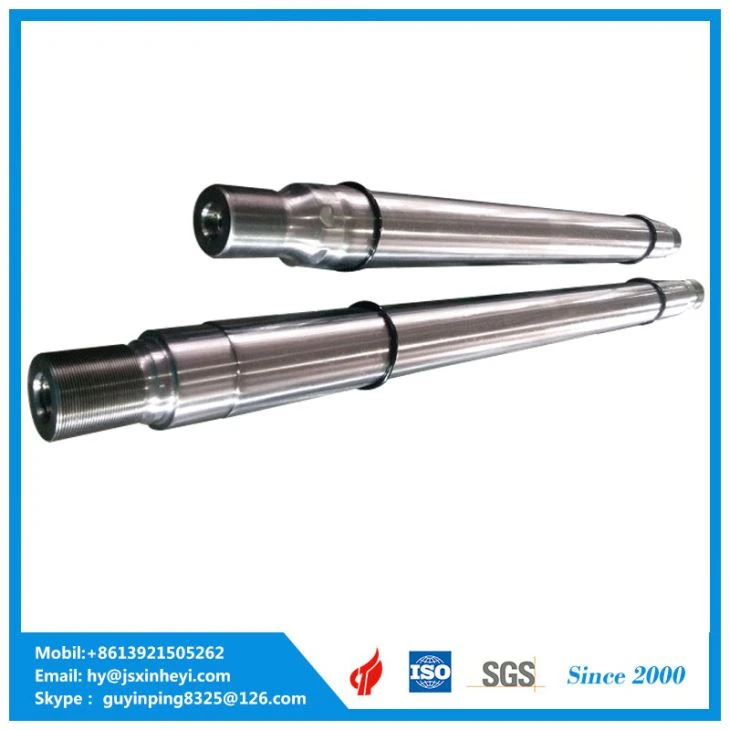

Our team of experienced engineers and technicians is always ready to provide technical support and advice. We can help customers choose the most suitable material based on their application requirements, and we can also assist with the design and development of custom - made QT rods.
Conclusion
In conclusion, the materials used to make QT rods are diverse and carefully selected to meet the specific requirements of each application. Steel alloys, chrome plating, stainless steel, and composite materials all play important roles in the production of these essential components. As a QT rod supplier, we are committed to providing high - quality products that are made from the best materials and manufactured using the latest technologies.
If you are in need of QT rods for your application, we invite you to contact us for a detailed discussion. Our team of experts will be happy to assist you in selecting the right materials and designing the perfect QT rod for your needs. Whether you are looking for a standard product or a custom - made solution, we have the expertise and resources to meet your requirements.
References
- ASM Handbook, Volume 1: Properties and Selection: Irons, Steels, and High - Performance Alloys
- Metallurgy for Engineers: Physical Metallurgy and the Selection of Materials
- Handbook of Hydraulic Cylinders Design, Selection, and Application