

When it comes to cutting pipe bars, selecting the right saw is crucial for achieving precise cuts, ensuring efficiency, and maintaining the integrity of the material. As a pipe bar supplier, I understand the importance of providing our customers with not only high - quality pipe bars but also the knowledge to work with them effectively. In this blog, I'll explore different types of saws and determine which one is best for cutting pipe bars.
Types of Saws for Cutting Pipe Bars
Band Saws
Band saws are a popular choice for cutting pipe bars. They consist of a continuous band of toothed metal that rotates around two or more wheels. The design allows for a consistent and smooth cutting action.
One of the main advantages of using a band saw is its ability to make long, straight cuts. This is particularly useful when dealing with longer pipe bars, such as the 42CrMo4 length 1 - 8m steel chrome plated bar. The blade can be adjusted to different widths, depending on the size and thickness of the pipe bar. A wider blade provides more stability and is suitable for cutting larger diameter pipe bars, while a narrower blade can be used for more precise cuts on smaller bars.

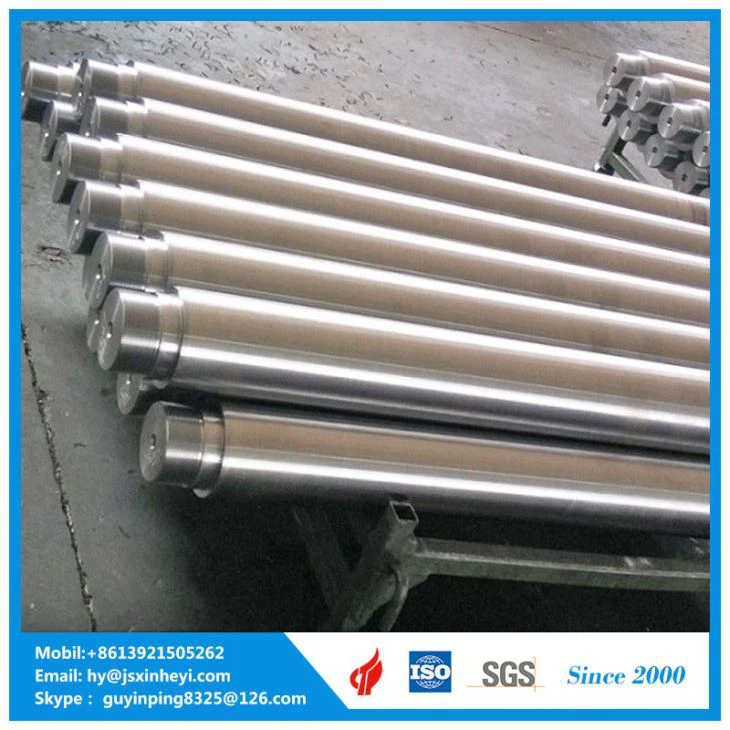
Band saws also offer relatively high cutting speeds compared to some other saws. They can handle a variety of materials, including steel, aluminum, and brass. However, the initial cost of a band saw can be relatively high, and blade replacement can add to the long - term expenses. Maintenance is also important, as the blade needs to be properly tensioned and sharpened regularly to ensure optimal performance.
Circular Saws
Circular saws are another common option for cutting pipe bars. They feature a circular blade with teeth around the perimeter. Circular saws are known for their portability and versatility.
Portable circular saws are easy to move around the job site, making them a great choice for on - site cutting of pipe bars. They can be used to make both straight and angled cuts. For example, if you need to cut an Adjustable Piston Rod Pipe Rods at a specific angle for a custom installation, a circular saw can do the job.
However, circular saws have some limitations. The cutting depth is usually limited by the diameter of the blade. Also, the cutting action can generate a significant amount of heat, which may cause the material to warp or the blade to wear out more quickly. Additionally, circular saws may not provide the same level of precision as band saws, especially when cutting thicker pipe bars.
Reciprocating Saws
Reciprocating saws, also known as saber saws, have a blade that moves back and forth in a reciprocating motion. They are often used for demolition work but can also be used for cutting pipe bars.
One of the benefits of reciprocating saws is their ability to cut through different materials and shapes. They can be used to cut pipe bars in tight spaces where other saws may not fit. This makes them a good choice for cutting pipes that are already installed in a confined area.
On the downside, reciprocating saws are not as precise as band saws or circular saws. The cutting action is more aggressive, which can result in a rougher cut surface. The blade also wears out relatively quickly, especially when cutting hard materials like steel.
Miter Saws
Miter saws are designed to make precise cross - cuts and angled cuts. They are commonly used in woodworking but can also be used for cutting pipe bars.
A miter saw typically has a large circular blade that is mounted on a pivoting arm. This allows for easy adjustment of the cutting angle. For cutting 42CrMo4 Round Steel Bar 42CrMo4 Bar for a project that requires accurate angles, a miter saw can be a great option.
However, miter saws are generally less suitable for cutting long lengths of pipe bars. The cutting capacity is limited by the size of the saw and the blade. They are also more expensive than some other types of saws.
Factors to Consider When Choosing a Saw
- Material of the Pipe Bar: Different materials require different saws. For example, cutting a steel pipe bar is different from cutting an aluminum one. Steel is a harder material and may require a more powerful saw with a durable blade.
- Cutting Precision: If you need precise cuts, such as for a custom - made project, a band saw or a miter saw may be the better choice. For less precise cuts, a reciprocating saw or a circular saw may suffice.
- Size and Shape of the Pipe Bar: Longer and larger diameter pipe bars may require a saw with a greater cutting capacity, like a band saw. Smaller or irregularly shaped pipe bars may be more easily cut with a reciprocating saw or a circular saw.
- Portability: If you need to cut pipe bars on - site, a portable circular saw or a reciprocating saw may be more convenient. For a workshop - based operation, a stationary band saw or miter saw can be a better long - term investment.
- Budget: The cost of the saw, as well as the cost of blade replacement and maintenance, should be considered. Band saws and miter saws tend to be more expensive upfront, while circular saws and reciprocating saws are generally more affordable.
Best Saw for Cutting Pipe Bars
In most cases, a band saw is the best choice for cutting pipe bars. It offers a combination of precision, cutting speed, and the ability to handle a wide range of materials and sizes. Band saws can make long, straight cuts with minimal material waste. The adjustable blade width allows for flexibility in cutting different diameter pipe bars.
However, the final choice depends on your specific needs. If you need a portable solution for on - site work, a circular saw may be more appropriate. For cutting in tight spaces, a reciprocating saw can be a lifesaver. And if you need highly precise angled cuts, a miter saw is the way to go.
As a pipe bar supplier, we are committed to helping our customers make the right decisions. Whether you are a professional contractor or a DIY enthusiast, we can provide you with high - quality pipe bars and the knowledge to work with them. If you have any questions about which saw is best for your project or need more information about our pipe bar products, please feel free to contact us. We are here to assist you in your purchasing and project - related needs.
References
- Machinery's Handbook, Industrial Press Inc.
- Woodworking and Metalworking Guidebooks, various publishers.