

In the industrial world, the durability and performance of components are of utmost importance. One such crucial component is the QT rod. As a QT rod supplier, I often encounter questions from customers regarding the wear and tear resistance of these rods. In this blog post, I will delve into the science behind QT rods and explore their resistance to wear and tear.
Understanding QT Rods
QT rods, also known as quenched and tempered rods, are manufactured through a specialized heat treatment process. This process involves heating the rods to a specific temperature and then rapidly cooling them, followed by tempering to achieve the desired mechanical properties. The quenching process hardens the surface of the rod, while tempering relieves internal stresses and improves toughness.
The combination of hardness and toughness makes QT rods suitable for a wide range of applications, including hydraulic cylinders, automotive components, and machinery parts. These rods are known for their high strength, excellent fatigue resistance, and good dimensional stability.

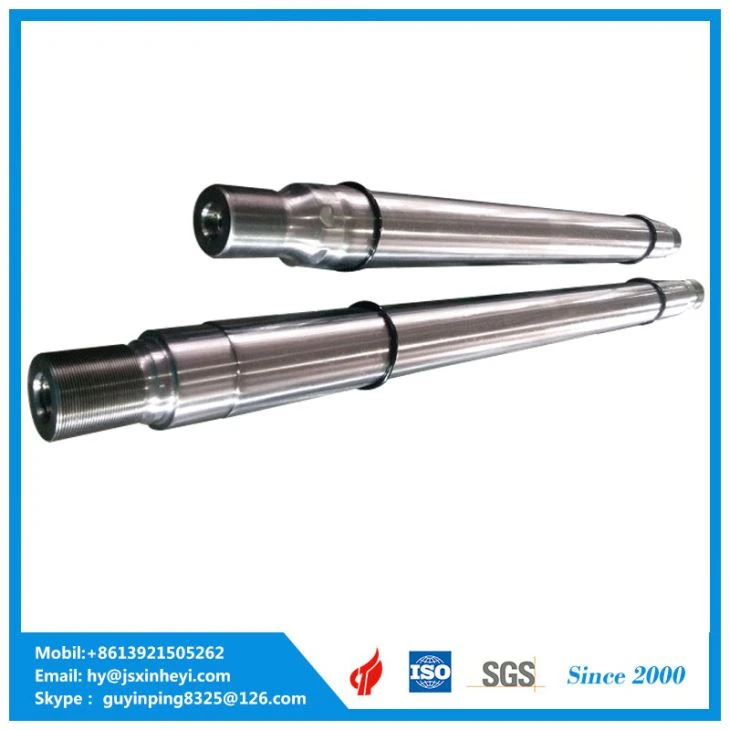
Wear and Tear in Industrial Applications
Wear and tear is a common phenomenon in industrial applications, where components are subjected to continuous friction, abrasion, and impact. Over time, this can lead to the degradation of the component's surface, resulting in reduced performance and increased maintenance costs.
In hydraulic cylinders, for example, the piston rod is in constant contact with the cylinder bore and seals. This contact can cause wear on the rod surface, leading to leakage and reduced efficiency. Similarly, in automotive engines, the connecting rods are subjected to high stresses and vibrations, which can cause fatigue and wear over time.
Factors Affecting Wear and Tear Resistance
The wear and tear resistance of QT rods depends on several factors, including the material composition, heat treatment process, surface finish, and operating conditions.
- Material Composition: The choice of material plays a crucial role in determining the wear and tear resistance of QT rods. High-quality steels with a balanced composition of carbon, chromium, nickel, and other alloying elements are often used to manufacture QT rods. These alloying elements enhance the hardness, toughness, and corrosion resistance of the rods.
- Heat Treatment Process: The quenching and tempering process is critical for achieving the desired mechanical properties of QT rods. Proper heat treatment ensures a uniform hardness distribution throughout the rod, which improves its wear and tear resistance. The cooling rate during quenching and the tempering temperature and time also affect the final properties of the rod.
- Surface Finish: The surface finish of QT rods can significantly impact their wear and tear resistance. A smooth and clean surface reduces friction and abrasion, while a rough or contaminated surface can accelerate wear. Therefore, it is important to ensure that the rods have a high-quality surface finish, such as a polished or chrome-plated surface.
- Operating Conditions: The operating conditions, such as the load, speed, temperature, and environment, also affect the wear and tear resistance of QT rods. High loads, high speeds, and extreme temperatures can increase the wear rate of the rods. Additionally, exposure to corrosive environments can cause corrosion and pitting on the rod surface, further reducing its wear resistance.
QT Rods and Wear and Tear Resistance
QT rods are designed to provide excellent wear and tear resistance in a variety of industrial applications. The combination of high strength, toughness, and hardness makes them highly resistant to friction, abrasion, and impact.
- Friction and Abrasion Resistance: The hard surface of QT rods, achieved through the quenching process, provides excellent resistance to friction and abrasion. This allows the rods to withstand continuous contact with other components without significant wear. Additionally, the smooth surface finish of the rods reduces friction, further improving their wear resistance.
- Impact Resistance: QT rods are also known for their high impact resistance. The tempered structure of the rods absorbs and distributes the energy from impacts, preventing cracks and fractures. This makes them suitable for applications where the rods are subjected to high impact loads, such as in construction equipment and mining machinery.
- Corrosion Resistance: Many QT rods are coated with a protective layer, such as chrome plating, to enhance their corrosion resistance. Chrome plating provides a hard, smooth, and corrosion-resistant surface that protects the rod from rust and other forms of corrosion. This is particularly important in applications where the rods are exposed to moisture, chemicals, or harsh environments.
Examples of QT Rod Applications
QT rods are widely used in various industries due to their excellent wear and tear resistance. Here are some examples of their applications:
- Hydraulic Cylinders: QT rods are commonly used as piston rods in hydraulic cylinders. The high strength and wear resistance of the rods ensure smooth operation and long service life of the cylinders. Hydraulic Cylinder Chrome Plated Rod Hard Chrome Plated Cylinder Rod is a popular choice for hydraulic cylinder applications.
- Automotive Components: QT rods are also used in automotive engines, transmissions, and suspension systems. The rods provide the necessary strength and durability to withstand the high stresses and vibrations in these applications. CK45 Hard Chrome Piston Rod Steel Bar is a common material for automotive piston rods.
- Machinery Parts: QT rods are used in a wide range of machinery parts, such as shafts, spindles, and gears. The wear and tear resistance of the rods ensure reliable operation and reduced maintenance costs. Hydraulic Cylinder Piston Rod is a versatile component that can be used in various machinery applications.
Conclusion
In conclusion, QT rods are highly resistant to wear and tear due to their unique combination of hardness, toughness, and surface finish. The material composition, heat treatment process, and operating conditions all play a role in determining the wear and tear resistance of these rods.
As a QT rod supplier, I am committed to providing high-quality rods that meet the specific requirements of my customers. Whether you need rods for hydraulic cylinders, automotive components, or machinery parts, I can offer you the right solution.
If you are interested in purchasing QT rods or have any questions about their wear and tear resistance, please feel free to contact me for a consultation. I look forward to working with you to meet your industrial needs.
References
- ASM Handbook Volume 4: Heat Treating. ASM International.
- Metals Handbook Desk Edition, 3rd Edition. ASM International.
- Fundamentals of Materials Science and Engineering, 4th Edition. William D. Callister, Jr. and David G. Rethwisch.