

In the realm of textile machinery, the selection of components plays a pivotal role in determining the efficiency, productivity, and quality of the final textile products. One such crucial component is the shaft, which serves as a fundamental element in transmitting power and motion within the machinery. As a reputable hard shaft supplier, I am often asked whether a hard shaft can be used in textile machinery. In this blog post, I will delve into this question, exploring the properties of hard shafts, their suitability for textile machinery, and the benefits they offer.
Understanding Hard Shafts
Hard shafts are characterized by their high hardness and strength, which are achieved through various heat treatment processes such as quenching and tempering. These processes enhance the mechanical properties of the shaft, making it resistant to wear, deformation, and fatigue. The most common materials used for hard shafts include alloy steels, such as CK45, which are known for their excellent combination of strength, toughness, and machinability.
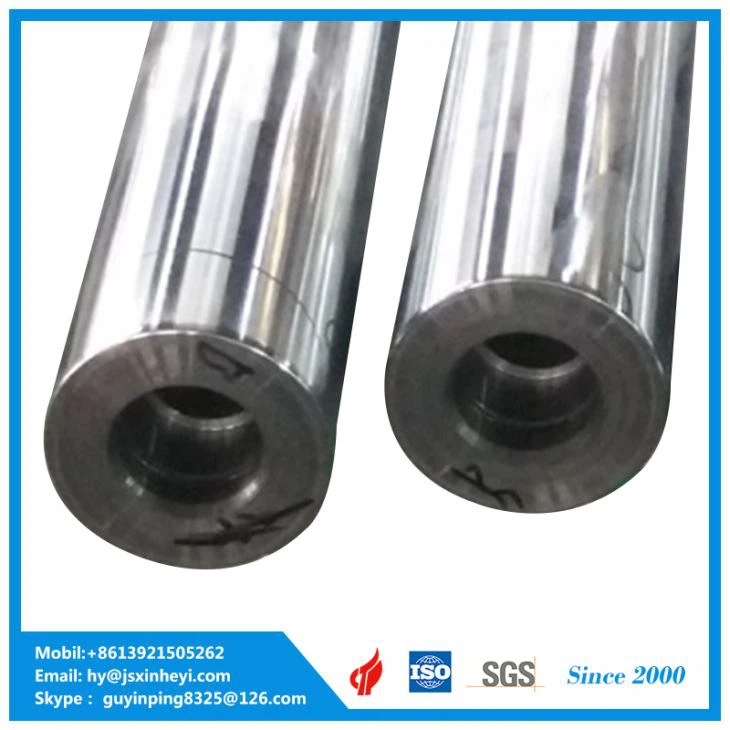

One of our popular products is the CK45 Quenched and Tempered Hydraulic Cylinder Shaft with Hard Chrome Plating. This shaft undergoes a rigorous heat treatment process to achieve the desired hardness and strength, and is then coated with a layer of hard chrome to enhance its corrosion resistance and wear performance. The hard chrome plating also provides a smooth surface finish, reducing friction and improving the efficiency of the machinery.
Another type of hard shaft we offer is the Precision Linear Shafts Hollow Steel Shaft. These shafts are designed for applications that require precise linear motion, such as in textile machinery. The hollow design of the shaft reduces its weight while maintaining its strength, making it ideal for high-speed applications. The precision machining of these shafts ensures a high level of accuracy and repeatability, which is essential for the consistent production of high-quality textile products.
Suitability of Hard Shafts for Textile Machinery
Textile machinery operates under a variety of conditions, including high speeds, heavy loads, and continuous operation. These conditions place significant demands on the components of the machinery, and the shaft is no exception. Hard shafts are well-suited for textile machinery due to their high hardness, strength, and wear resistance.
One of the key requirements in textile machinery is the ability to transmit power efficiently. Hard shafts, with their high torsional strength, can effectively transmit power from the motor to the various components of the machinery, ensuring smooth and reliable operation. The high wear resistance of hard shafts also reduces the need for frequent replacement, minimizing downtime and maintenance costs.
In addition to power transmission, textile machinery often requires precise motion control. Hard shafts, such as the Precision Hydraulic Motor Shaft, can provide the necessary accuracy and repeatability for this purpose. These shafts are machined to tight tolerances, ensuring that the motion of the machinery is precise and consistent. This is particularly important in applications such as weaving and knitting, where even small deviations in motion can result in defective products.
Benefits of Using Hard Shafts in Textile Machinery
The use of hard shafts in textile machinery offers several benefits, including improved performance, increased productivity, and reduced operating costs.
- Improved Performance: Hard shafts can withstand the high speeds and heavy loads associated with textile machinery, ensuring smooth and reliable operation. The high wear resistance of hard shafts also reduces the risk of premature failure, improving the overall performance of the machinery.
- Increased Productivity: By minimizing downtime and maintenance requirements, hard shafts can help to increase the productivity of textile machinery. The precise motion control provided by hard shafts also ensures consistent product quality, reducing the number of defective products and increasing the overall output of the machinery.
- Reduced Operating Costs: The long service life of hard shafts reduces the need for frequent replacement, resulting in lower maintenance costs. Additionally, the improved efficiency of the machinery due to the use of hard shafts can lead to reduced energy consumption, further lowering operating costs.
Considerations When Selecting Hard Shafts for Textile Machinery
When selecting hard shafts for textile machinery, several factors need to be considered, including the type of machinery, the operating conditions, and the specific requirements of the application.
- Type of Machinery: Different types of textile machinery have different requirements for shafts. For example, weaving machines require shafts that can provide precise motion control, while spinning machines require shafts that can withstand high speeds and heavy loads. It is important to select a shaft that is specifically designed for the type of machinery being used.
- Operating Conditions: The operating conditions of the textile machinery, such as temperature, humidity, and the presence of contaminants, can also affect the performance of the shaft. It is important to select a shaft that is resistant to corrosion and wear, and that can operate effectively under the specific conditions of the application.
- Specific Requirements of the Application: The specific requirements of the application, such as the required torque, speed, and accuracy, also need to be considered when selecting a shaft. It is important to work with a supplier who can provide technical support and guidance to ensure that the selected shaft meets the specific requirements of the application.
Conclusion
In conclusion, hard shafts can be effectively used in textile machinery due to their high hardness, strength, and wear resistance. The use of hard shafts can improve the performance, productivity, and operating costs of textile machinery, making them a valuable investment for textile manufacturers. As a hard shaft supplier, we offer a wide range of high-quality hard shafts that are specifically designed for textile machinery applications. If you are interested in learning more about our products or have any questions about the suitability of hard shafts for your textile machinery, please feel free to contact us for a consultation. We look forward to working with you to meet your specific needs and requirements.
References
- "Handbook of Textile Machinery" by Peter Lord and Mohamed H. Zahran
- "Mechanical Design of Machine Elements and Machines: A Failure Prevention Perspective" by Robert L. Norton