

As a supplier of Chrome Rods, I've witnessed the growing demand for these high - performance components in various industries, such as automotive, hydraulic, and manufacturing. Chrome rods, including High Precision Hard Chromed Piston Rod, CK45 Chrome Plated Piston Rod for Hydraulic Cylinder, and Hard Chrome Plated Piston Rods Chrome Plated Rods, offer excellent wear resistance, corrosion protection, and smooth surface finish. However, with the increasing focus on sustainability, the recycling of Chrome Rods has become a crucial topic. In this blog, I'll delve into how Chrome Rods are recycled, highlighting the importance and processes involved.
Why Recycling Chrome Rods Matters
Recycling Chrome Rods is not just an environmental obligation; it also makes good economic sense. From an environmental perspective, the production of new Chrome Rods involves significant energy consumption and the use of raw materials. Mining and refining these materials can cause habitat destruction, water pollution, and greenhouse gas emissions. By recycling Chrome Rods, we can reduce the demand for virgin materials, conserve natural resources, and minimize the environmental impact of the manufacturing process.
Economically, recycling can save costs for both suppliers and consumers. The recycled Chrome Rods can be processed into new products at a lower cost compared to producing them from scratch. This cost - efficiency can be passed on to the customers, making the products more affordable. Additionally, recycling creates jobs in the recycling and re - manufacturing sectors, contributing to the local and global economy.
The Recycling Process of Chrome Rods
1. Collection and Sorting
The first step in recycling Chrome Rods is collection. As a supplier, I often receive used or damaged Chrome Rods from my customers. These rods can come from a variety of sources, such as hydraulic cylinders that have reached the end of their service life, or manufacturing processes where defective rods are produced.
Once collected, the rods need to be sorted. Sorting is a crucial step as different types of Chrome Rods may have different compositions and require different recycling methods. For example, rods with different base metals (such as steel or aluminum) or different chrome plating thicknesses need to be separated. This ensures that the subsequent recycling processes are more efficient and the recycled materials are of higher quality.

2. Dismantling and Cleaning
After sorting, the Chrome Rods may need to be dismantled if they are part of a larger assembly. For instance, if a Chrome Rod is installed in a hydraulic cylinder, it needs to be removed carefully to avoid damage.
Cleaning is then carried out to remove any dirt, grease, or other contaminants from the surface of the rods. This can be done through various methods, such as ultrasonic cleaning or chemical cleaning. Ultrasonic cleaning uses high - frequency sound waves to create microscopic bubbles in a cleaning solution, which then implode and remove the contaminants from the rod's surface. Chemical cleaning, on the other hand, involves using specific chemicals to dissolve or react with the contaminants.
3. Stripping the Chrome Plating
One of the key steps in recycling Chrome Rods is stripping the chrome plating. Chrome plating is a thin layer of chromium that is applied to the surface of the rod to provide its desired properties. There are several methods to strip the chrome plating:
- Electrolytic Stripping: This is a common method where the Chrome Rod is placed in an electrolyte solution and an electric current is passed through it. The electric current causes the chrome plating to dissolve from the surface of the rod and deposit on an electrode. The advantage of electrolytic stripping is that it can be controlled precisely, and the stripped chrome can be recovered and reused.
- Chemical Stripping: Chemical stripping involves using strong acids or alkalis to dissolve the chrome plating. However, this method needs to be carefully controlled as it can also damage the base metal of the rod if not done properly. Additionally, the chemicals used in this process need to be handled and disposed of safely to avoid environmental pollution.
4. Recycling the Base Metal
Once the chrome plating is stripped, the base metal of the Chrome Rod can be recycled. If the base metal is steel, which is a common material for Chrome Rods, it can be melted down in a furnace. The molten steel can then be refined to remove impurities and adjusted to the desired composition.
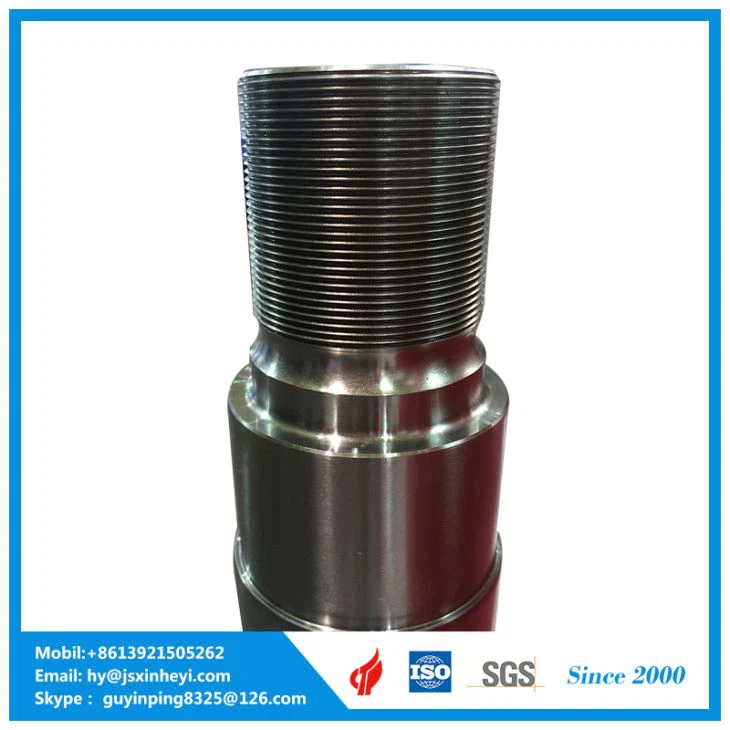
The recycled steel can be used to produce new Chrome Rods or other steel products. This process significantly reduces the energy consumption and environmental impact compared to producing steel from iron ore. For other base metals like aluminum, similar melting and refining processes can be applied.
5. Re - plating or Re - manufacturing
After the base metal is recycled, it can be re - plated with chrome to produce new Chrome Rods. The re - plating process is similar to the original plating process, where the rod is cleaned, pre - treated, and then electroplated with a layer of chrome.
In some cases, the recycled base metal can also be used for re - manufacturing other products. For example, it can be used to make components with different shapes and sizes, depending on the market demand.
Challenges in Recycling Chrome Rods
Although the recycling of Chrome Rods offers many benefits, there are also several challenges that need to be addressed.
- Environmental Regulations: The chrome plating and recycling processes involve the use of chemicals, such as chromic acid, which are highly toxic. There are strict environmental regulations regarding the handling, storage, and disposal of these chemicals. Suppliers and recyclers need to ensure that they comply with these regulations to avoid legal issues and environmental damage.
- Quality Control: Ensuring the quality of the recycled Chrome Rods is crucial. The recycled rods need to meet the same quality standards as the new ones. This requires strict quality control measures throughout the recycling process, from collection to re - plating. Any impurities or defects in the recycled rods can affect their performance and reliability.
- Cost - Benefit Analysis: Recycling Chrome Rods can be costly, especially when considering the cost of collection, sorting, stripping, and re - plating. Suppliers need to conduct a cost - benefit analysis to determine whether recycling is economically viable. In some cases, the cost of recycling may be higher than the cost - savings achieved through the use of recycled materials.
The Future of Chrome Rod Recycling
Despite the challenges, the future of Chrome Rod recycling looks promising. With the increasing awareness of environmental issues and the demand for sustainable products, more and more companies are likely to invest in recycling technologies.
Advances in recycling technologies, such as more efficient chrome stripping methods and better quality control techniques, will also make the recycling process more cost - effective and environmentally friendly. Additionally, the development of circular economy models, where products are designed for easy recycling and reuse, will further promote the recycling of Chrome Rods.
Conclusion
As a Chrome Rod supplier, I believe that recycling is an essential part of our business. By recycling Chrome Rods, we can contribute to a more sustainable future while also providing cost - effective solutions to our customers. The recycling process, although complex, offers many benefits in terms of environmental protection and economic efficiency.
If you are interested in our Chrome Rod products or have any questions about recycling, please feel free to contact us for further discussions and potential procurement opportunities. We are committed to providing high - quality products and sustainable solutions to meet your needs.
References
- "Recycling of Metal Products: Technologies and Processes" by John Smith
- "The Environmental Impact of Chrome Plating and Recycling" by Jane Doe
- Industry reports on the Chrome Rod market and recycling trends


