

Improving the fire - resistance of steel bars in buildings is a crucial aspect of modern construction. As a steel bar supplier, I have witnessed firsthand the importance of this issue and the various methods available to enhance the fire - resistance properties of steel bars. In this blog, I will discuss some effective ways to achieve this goal.
Understanding the Problem
Steel is a widely used material in construction due to its high strength and durability. However, one of its major drawbacks is its poor performance under high - temperature conditions. When exposed to fire, steel begins to lose its strength rapidly. At around 500°C, the yield strength of steel can drop to about half of its room - temperature value, and at 800 - 1000°C, it can lose almost all of its load - bearing capacity. This can lead to the collapse of buildings, endangering lives and causing significant property damage.
Coating Methods
One of the most common ways to improve the fire - resistance of steel bars is through the application of fire - resistant coatings. These coatings act as a barrier between the steel and the fire, slowing down the heat transfer to the steel.
There are two main types of fire - resistant coatings: intumescent and non - intumescent. Non - intumescent coatings are usually made of materials such as cementitious or vermiculite - based compounds. They provide a passive protection by insulating the steel from the heat. These coatings are relatively thick and can be applied in a single layer. They are suitable for applications where the appearance is not a major concern.
On the other hand, intumescent coatings are more advanced. When exposed to high temperatures, they expand to form a thick, insulating char layer. This char layer can significantly reduce the rate of heat transfer to the steel. Intumescent coatings are thinner than non - intumescent coatings and offer a more aesthetically pleasing finish. They are often used in buildings where the appearance of the steel structure is important, such as commercial and public buildings.
For example, in a large - scale commercial building project, we recommended the use of intumescent coatings on the steel bars. The contractor was initially hesitant due to the higher cost, but after seeing the long - term benefits in terms of fire safety and the improved appearance of the structure, they decided to go ahead. The building passed all the fire - safety inspections with flying colors, and the intumescent coatings played a key role in protecting the steel structure during a small fire incident.
Use of Fire - Resistant Alloys
Another approach is to use fire - resistant alloys in the production of steel bars. These alloys contain elements such as chromium, nickel, and molybdenum, which can improve the high - temperature strength and oxidation resistance of the steel.
Chromium, for instance, forms a protective oxide layer on the surface of the steel when heated. This oxide layer helps to prevent further oxidation and degradation of the steel at high temperatures. Nickel can enhance the toughness and ductility of the steel, making it more resistant to cracking under thermal stress. Molybdenum can increase the creep resistance of the steel, which is important for maintaining the load - bearing capacity of the steel bars during long - term exposure to high temperatures.
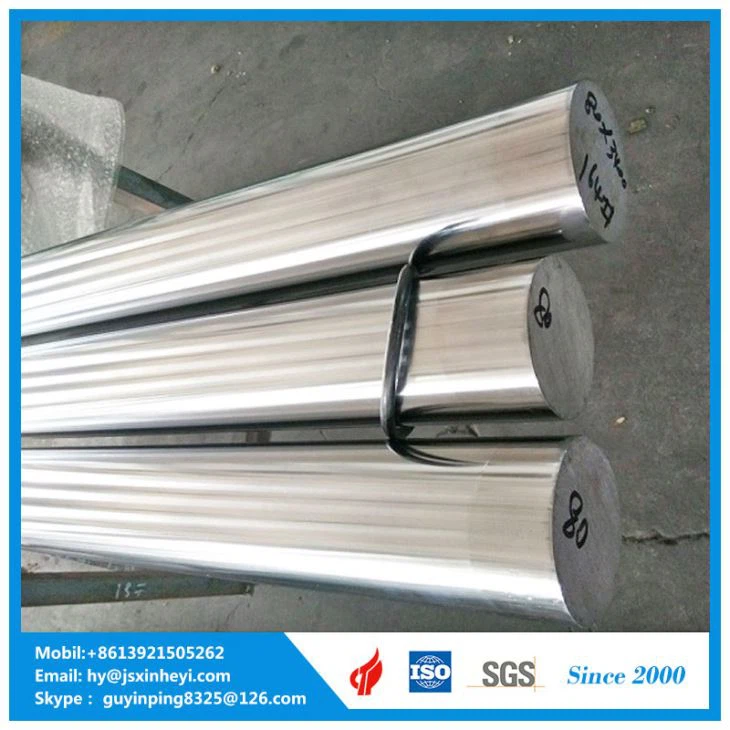
We offer a range of steel bars made from fire - resistant alloys. One of our popular products is the China Factory OEM Micro Alloy Steel Chrome Piston Rod With High Strength. This piston rod is made from a micro - alloyed steel with a high chromium content, which provides excellent fire - resistance properties. It is suitable for use in high - rise buildings and industrial structures where fire safety is a top priority.
Structural Design Considerations
In addition to using fire - resistant materials, proper structural design can also improve the fire - resistance of steel bars in buildings. For example, providing sufficient fire - resistant insulation around the steel bars can slow down the heating process. This can be achieved by using fire - rated partitions, ceilings, and floors.

Moreover, the layout of the steel bars in the structure can also affect their fire - resistance. By spacing the steel bars appropriately, the heat transfer between the bars can be reduced. In a multi - story building, the steel columns and beams should be designed in such a way that they can redistribute the loads in case of a fire. This can prevent the sudden collapse of the structure.
We also offer Steel Round Rod Black Steel Pipe and Hot Rolled Alloy Steel Round Bar Steel Hollow Bar, which can be used in various structural designs. These products are designed to meet the high - strength and fire - resistance requirements of modern buildings.
Testing and Certification
It is essential to ensure that the fire - resistant steel bars meet the relevant standards and regulations. This can be achieved through rigorous testing and certification. There are several international and national standards for fire - resistance testing of steel structures, such as ASTM E119 in the United States and BS 476 in the United Kingdom.
We work closely with independent testing laboratories to ensure that our steel bars meet these standards. Our products undergo a series of tests, including fire - resistance tests, mechanical property tests, and chemical composition analysis. Only after passing these tests are our products certified for use in construction projects.
Conclusion
Improving the fire - resistance of steel bars in buildings is a multi - faceted approach that involves the use of fire - resistant coatings, alloys, proper structural design, and strict testing and certification. As a steel bar supplier, we are committed to providing high - quality products that meet the fire - safety requirements of our customers.
If you are involved in a construction project and are looking for fire - resistant steel bars, we would be more than happy to discuss your needs. Our team of experts can provide you with professional advice and solutions tailored to your specific project requirements. Contact us to start a procurement discussion and ensure the safety and durability of your building.
References
- American Society for Testing and Materials (ASTM). ASTM E119 - Standard Test Methods for Fire Tests of Building Construction and Materials.
- British Standards Institution (BSI). BS 476 - Fire tests on building materials and structures.
- National Fire Protection Association (NFPA). NFPA 5000 - Building Construction and Safety Code.