

Hey there! I'm a supplier of steel rods, and I've been in this industry for quite some time. Over the years, I've seen a growing concern about environmental sustainability, and recycling steel rods has become a hot topic. So, I thought I'd share some insights on how to recycle steel rods.
Why Recycle Steel Rods?
First off, let's talk about why recycling steel rods is so important. Steel is one of the most recycled materials in the world, and for good reason. Recycling steel saves a ton of energy compared to producing new steel from raw materials. In fact, recycling steel can save up to 75% of the energy needed for primary steel production. That's a huge energy savings!
Not only does recycling save energy, but it also reduces greenhouse gas emissions. Producing new steel from iron ore releases a significant amount of carbon dioxide into the atmosphere. By recycling steel rods, we can help cut down on these emissions and do our part to combat climate change.
Another great thing about recycling steel is that it conserves natural resources. Iron ore is a finite resource, and by recycling steel, we can stretch out the supply and reduce our dependence on mining. Plus, recycling steel helps to keep waste out of landfills, which is better for the environment in the long run.
Steps to Recycle Steel Rods
1. Collection
The first step in recycling steel rods is collecting them. As a steel rod supplier, I often get requests from customers who have leftover or scrap steel rods that they want to get rid of. Sometimes, these are pieces that were cut off during a manufacturing process, or they could be old rods that are no longer needed.
I encourage my customers to save their scrap steel rods and let me know when they have a batch ready. I also work with local construction companies, metal fabricators, and other businesses that use steel rods. We set up a collection system where they can drop off their scrap steel at a designated location, and I come and pick it up on a regular basis.
2. Sorting
Once I've collected the steel rods, the next step is sorting them. Not all steel is the same, and different types of steel have different properties and uses. So, it's important to separate the rods based on their composition and quality.
I usually start by looking at the appearance of the rods. Some steel rods may have a different color or finish, which can give me a clue about their type. I also use a magnet to test the rods. Most steel is magnetic, but some stainless steels are non - magnetic. This helps me to quickly separate the different types of steel.
After the initial visual and magnetic tests, I may use more advanced techniques, like chemical analysis, to determine the exact composition of the steel. This is especially important if I'm dealing with high - alloy steels or specialty steels.
3. Cleaning
Cleaning the steel rods is an important step in the recycling process. The rods may be covered in dirt, grease, paint, or other contaminants. These contaminants can affect the quality of the recycled steel, so it's crucial to remove them.
I use a variety of methods to clean the rods. For light dirt and debris, I may use a simple pressure washer. This can quickly blast away the surface dirt. For more stubborn contaminants, like grease or paint, I may use chemical solvents or abrasive blasting. Abrasive blasting involves shooting small particles at the rods to remove the unwanted coatings.
4. Shredding
Once the steel rods are clean and sorted, they are ready to be shredded. Shredding the rods into smaller pieces makes them easier to melt down. I send the sorted and cleaned steel rods to a recycling facility that has a large industrial shredder.
The shredder breaks the rods into small chunks or pieces. These pieces are then fed into a conveyor belt and transported to the next stage of the recycling process. The size of the shredded pieces can vary depending on the requirements of the recycling facility.
5. Melting
The shredded steel pieces are then melted down in a furnace. Steel has a very high melting point, usually around 1370 - 1510 degrees Celsius (2500 - 2750 degrees Fahrenheit). The melting process takes place in a large, specialized furnace.
During the melting process, the steel is heated until it turns into a liquid. Any impurities that are still present in the steel rise to the surface and can be skimmed off. This helps to purify the steel and improve its quality.
6. Refining
After the steel has been melted, it goes through a refining process. Refining is done to further improve the quality of the steel and adjust its composition. This may involve adding or removing certain elements from the molten steel.

For example, if the steel needs to have a higher carbon content, a small amount of carbon may be added to the molten steel. On the other hand, if there are too many impurities, they can be removed through a process called oxidation.
7. Forming
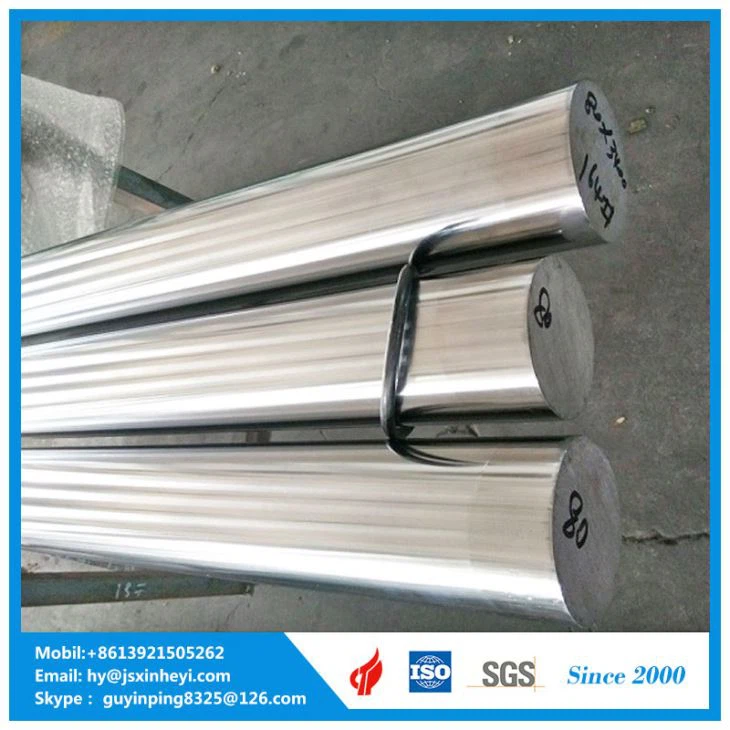
Once the steel has been refined, it's ready to be formed into new products. The molten steel can be poured into molds to create different shapes, such as bars, sheets, or tubes. As a steel rod supplier, I'm particularly interested in forming the recycled steel into new steel rods.
The newly formed steel rods are then cooled and inspected for quality. They may go through additional processing steps, like heat treatment or surface finishing, to improve their properties and appearance.
Benefits for My Business and Customers
Recycling steel rods is not only good for the environment, but it also has some great benefits for my business and my customers. For my business, it allows me to offer more sustainable products. More and more customers are looking for environmentally friendly options, and by offering recycled steel rods, I can meet this demand.
It also helps me to reduce my production costs. Recycling steel requires less energy and resources than producing new steel from scratch. This means that I can offer my recycled steel rods at a more competitive price.
For my customers, using recycled steel rods can also save them money. They can get high - quality steel rods at a lower cost, which is great for their bottom line. Plus, they can feel good about using a product that is more sustainable.
Where to Find Quality Steel Rods
If you're in the market for steel rods, whether they're recycled or new, I've got some great options for you. Check out these links to see some of the products I offer:
- Hot Rolled Alloy Steel Round Bar Steel Hollow Bar
- Steel Round Rod Black Steel Pipe
- China Factory OEM Micro Alloy Steel Chrome Piston Rod With High Strength
If you have any questions about our steel rods or the recycling process, or if you're interested in placing an order, don't hesitate to reach out. I'm always happy to have a chat and help you find the right steel rods for your needs.
References
- American Iron and Steel Institute. "The Recycling of Steel."
- World Steel Association. "Steel Recycling: A Sustainable Solution."