

As a seasoned supplier of hard shafts, I've witnessed firsthand the critical role these components play in various industries. Hard shafts are integral to the smooth operation of machinery, from automotive engines to industrial manufacturing equipment. However, like any mechanical part, they are susceptible to a range of defects that can compromise their performance and longevity. In this blog post, I'll delve into the common defects found in hard shafts, their causes, and the potential solutions to address them.
Surface Defects
One of the most prevalent issues with hard shafts is surface defects. These can manifest in various forms, including scratches, pits, and cracks. Scratches are often the result of improper handling during manufacturing, transportation, or installation. Even minor scratches can disrupt the smooth rotation of the shaft, leading to increased friction and wear over time. Pits, on the other hand, are typically caused by corrosion or the presence of impurities in the material. They can weaken the shaft's surface, making it more prone to fatigue failure.
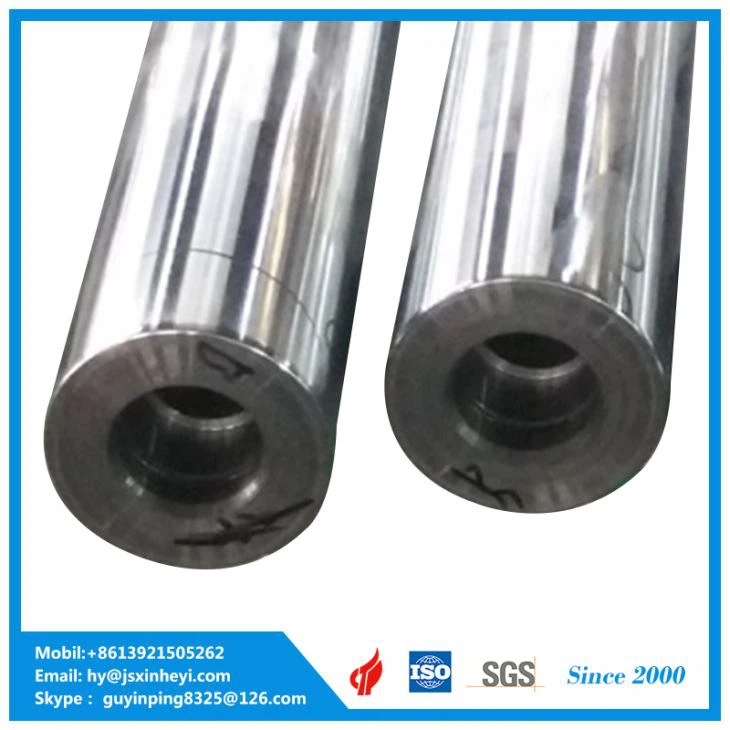

Cracks are perhaps the most serious surface defect, as they can propagate under stress and ultimately lead to catastrophic failure. Cracks can be caused by a variety of factors, such as excessive loading, improper heat treatment, or the presence of internal stresses. Detecting cracks early is crucial, as they can often be repaired before they cause significant damage. Non-destructive testing methods, such as ultrasonic testing or magnetic particle inspection, are commonly used to identify cracks in hard shafts.
Material Defects
Material defects can also have a significant impact on the performance of hard shafts. These defects can include inclusions, porosity, and improper grain structure. Inclusions are foreign particles that are trapped in the material during the manufacturing process. They can act as stress concentrators, reducing the shaft's strength and ductility. Porosity refers to the presence of small voids or holes in the material, which can also weaken the shaft and make it more susceptible to fatigue failure.
An improper grain structure can occur if the shaft is not heat-treated correctly. Heat treatment is a critical process that helps to improve the mechanical properties of the shaft, such as hardness, strength, and toughness. If the heat treatment is not performed properly, the grain structure may be too coarse or too fine, which can affect the shaft's performance. For example, a coarse grain structure can reduce the shaft's strength and toughness, while a fine grain structure can make it more brittle.
Geometric Defects
Geometric defects are another common issue with hard shafts. These defects can include out-of-roundness, taper, and straightness errors. Out-of-roundness occurs when the shaft is not perfectly circular, which can cause uneven loading and vibration during operation. Taper refers to a gradual change in diameter along the length of the shaft, which can also lead to uneven loading and premature wear. Straightness errors occur when the shaft is not perfectly straight, which can cause misalignment and increased stress on the bearings.
Geometric defects can be caused by a variety of factors, such as improper machining, thermal distortion, or the presence of internal stresses. To ensure the proper performance of hard shafts, it is essential to maintain tight geometric tolerances during the manufacturing process. Precision machining techniques, such as grinding and honing, are commonly used to achieve the required geometric accuracy.
Solutions to Common Defects
Addressing the common defects in hard shafts requires a comprehensive approach that includes proper material selection, careful manufacturing processes, and regular inspection and maintenance. When selecting materials for hard shafts, it is important to choose a material that has the appropriate mechanical properties for the intended application. For example, materials with high strength and toughness are often preferred for applications that involve high loads or impact.
During the manufacturing process, it is essential to follow strict quality control procedures to ensure that the shafts are produced to the required specifications. This includes using high-quality raw materials, performing proper heat treatment, and using precision machining techniques. Regular inspection and maintenance are also crucial to detect and address any defects early. Non-destructive testing methods can be used to identify surface and internal defects, while dimensional inspection can be used to ensure that the shafts meet the required geometric tolerances.
Conclusion
In conclusion, hard shafts are essential components in many industries, but they are susceptible to a range of defects that can compromise their performance and longevity. Surface defects, material defects, and geometric defects are some of the most common issues that can occur with hard shafts. By understanding the causes of these defects and implementing appropriate solutions, it is possible to minimize the risk of failure and ensure the reliable operation of machinery.
As a hard shaft supplier, I am committed to providing high-quality products that meet the needs of my customers. We use the latest manufacturing technologies and quality control procedures to ensure that our shafts are free from defects and meet the highest standards of performance. If you are in the market for hard shafts, I encourage you to Contact us for more information and to discuss your specific requirements. We would be happy to work with you to find the best solution for your application.
References
- ASM Handbook Volume 11: Failure Analysis and Prevention. ASM International, 2002.
- Mechanical Engineering Design. Joseph E. Shigley, Charles R. Mischke, and Richard G. Budynas. McGraw-Hill, 2004.
- Manufacturing Engineering and Technology. S. Kalpakjian and S. R. Schmid. Pearson Prentice Hall, 2006.